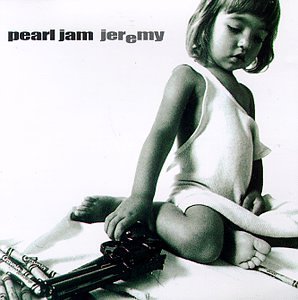
Jeremy Explained: Bullying, Neglect, and Vedder's Powerful Message
Pearl Jam's "Jeremy" isn't just a song; it's a chilling narrative, a raw expression of adolescent despair, and a powerful indictment of societal neglect. Released in 1992, this iconic track from their debut album *Ten* etched itself into the collective consciousness, not only for its haunting melody and Eddie Vedder's impassioned vocals but for its visceral depiction of a real-life tragedy. The song delves into the dark corners of bullying, profound neglect, and the desperate yearning for acknowledgement that can drive an isolated individual to the brink.
While some searches might lead to queries like "jeremy jacobs net worth," this article focuses squarely on the profound and unsettling story behind Pearl Jam's "Jeremy." It's a journey into the song's lyrical depth, exploring how Vedder crafted a narrative that continues to resonate decades later, forcing listeners to confront uncomfortable truths about the world we live in and the silent battles many young people face.
The Real Story Behind "Jeremy": A Cry for Help
The genesis of "Jeremy" lies in a real-life event that shocked a nation: the suicide of 15-year-old Jeremy Wade Delle, who tragically took his own life in front of his classmates at Richardson High School in Texas in 1991. Eddie Vedder was profoundly affected after reading a newspaper article about the incident, prompting him to pen the lyrics that would become one of Pearl Jam's most significant and emotionally charged works.
The song is packed with a palpable sense of anger, pain, and a barrage of unanswered questions about the systemic failures that can lead to such a devastating outcome. It’s a stark reminder that behind every news headline is a human story, often fraught with unheard pleas and unseen struggles. Vedder, through "Jeremy," gave voice to the voiceless, transforming a private tragedy into a public dialogue about the urgent need for empathy and intervention. The song forced audiences to look beyond the sensationalism of the act itself and consider the layers of neglect and cruelty that preceded it. It serves as a stark commentary on how society often fails its most vulnerable, turning a blind eye to the suffering that festers beneath the surface. For a deeper dive into the song's origins, you can explore
Unpacking Pearl Jam's Jeremy: The Real Tragedy Behind the Lyrics.
Deconstructing the Lyrics: A Descent into Isolation and Rage
The genius of "Jeremy" lies in its lyrical construction, which masterfully peels back the layers of a troubled psyche. Vedder uses vivid, often unsettling imagery to paint a picture of a boy struggling to cope with a hostile world.
*
Fantasy vs. Reality: "King Jeremy the wicked had a dream..."
The song opens with lines that depict Jeremy imagining himself in a place of power and peace, perhaps a vibrant fantasy world serving as an escape from his bleak reality. Phrases like "lemon yellow sun" initially sound cheerful, yet they create an almost unnatural, unnerving brightness, hinting that something isn't quite right. This peaceful facade quickly shatters as the dream flips into a violent vision where Jeremy sees himself victorious, with others dead beneath him. This suggests a deep-seated anger and a desire for revenge, a common coping mechanism for those who feel utterly powerless. It’s a chilling insight into the mind of someone pushed to their emotional limits, where control can only be reclaimed through imagined dominance.
*
The Void of Neglect: "Father spoke in class today without a sound..."
One of the most poignant aspects of the lyrics highlights Jeremy's home life, characterized by profound emotional absence. "Father spoke in class today without a sound," and the description of his mother being "cold" or distant, paints a picture of a child trapped in a vacuum of neglect. The line "King Jeremy the wicked" echoes with sarcasm and bitterness; it suggests he crowned himself king in his own twisted world because genuine love, power, or validation were denied to him elsewhere. "Wicked" could represent how others perceived him, or perhaps even how he began to perceive himself after years of rejection.
*
The Repetition of Despair: "Jeremy spoke in class today..."
This simple yet chilling line repeats throughout the song, gaining weight with each utterance. "Spoke" here isn't about verbal communication; it's a euphemism for his final, violent act. The repetition gives it an echoing quality, as if the moment reverberates through time, a permanent scar on the consciousness of those who witnessed it and those who hear his story. It underscores the idea that while Jeremy was silent for so long, his ultimate "statement" was deafening.
*
The Invisible Scars of Bullying: "Clearly I remember picking on the boy..."
The lyrics later shift perspective, acknowledging the role of bullying in Jeremy's torment. "The bullying seemed like a joke at the time," highlighting a tragic lack of awareness regarding the immense damage such cruelty inflicts. Jeremy, the quiet and ignored kid, eventually snaps. The "lion metaphor" paints him as wild and out of control, a primal reaction after being pushed far beyond his breaking point. This isn't just about a single incident; it's about the cumulative effect of constant harassment, chipping away at a person's dignity and self-worth until there's nothing left but raw emotion. For more on the anger inherent in the song, read
Behind the Anger: A Deep Dive into Pearl Jam's Jeremy Lyrics.
*
The Aftermath: "Poked a hole in the lid..."
The song also explores the immediate aftermath and the guilt that follows. The "punch" is both physical and emotional, mirroring the shock and trauma of hearing about Jeremy’s final act. Suddenly, Jeremy is no longer invisible. He has forced others to see him and to feel a fraction of his pain, albeit too late. The bully, too, is now left with the trauma, a stark reminder of the devastating consequences of their actions. Further bitterness is added with the line, "Something that Mommy wouldn't wear," a cruel image that implies Jeremy was an unwanted burden, a source of shame and rejection.
*
The Permanent Mark: "Empty glass, the teacher sees the pictures..."
The blackboard, whether a literal classroom fixture or a symbol of collective memory, becomes a canvas for the indelible mark Jeremy left. Lines expressing a desire to forget, to move on, are quickly overshadowed by the futility of such efforts. The damage is permanent; no one can truly erase what happened. It serves as a powerful metaphor for the lasting impact of trauma and the difficulty of truly escaping a past event.
Vedder's Powerful Message: Beyond the Tragedy
"Jeremy" is more than just a recounting of a tragic event; it's a poignant message from Eddie Vedder and Pearl Jam to the world. Their aim was not to glorify violence but to galvanize awareness and foster empathy. The song doesn't just ask "Why?"; it demands that we consider "How could we have prevented this?"
Pearl Jam’s message is a call to action for:
*
Recognizing the Signs: The song underscores the importance of paying attention to the quiet ones, those who might be struggling in silence. Behavioral changes, withdrawal, or expressions of hopelessness are not to be dismissed.
*
Combating Bullying: "Jeremy" is an anthem against bullying, highlighting its devastating and often unseen consequences. It champions the need for environments where young people feel safe and respected, where bullying is neither tolerated nor normalized.
*
Fostering Connection: The theme of neglect runs deep. Vedder implicitly advocates for strong support systems – at home, in schools, and within communities – where children feel seen, heard, and loved. Emotional presence and communication are vital antidotes to isolation.
*
Sparking Conversation: Perhaps the most enduring power of "Jeremy" is its ability to initiate difficult but necessary conversations about mental health, youth violence, and the responsibilities we all share in protecting the vulnerable. It's a reminder that we are all interconnected, and the pain of one can reverberate through many.
The legacy of "Jeremy" extends far beyond its musical brilliance. It remains a stark, uncomfortable, yet absolutely essential piece of art that compels us to look inward, to reflect on our roles in fostering a more compassionate and understanding society. It’s a powerful reminder that while the past cannot be erased, the future can be shaped by our willingness to acknowledge pain, address neglect, and stand up against cruelty.
Conclusion
Pearl Jam's "Jeremy" stands as a monumental piece in rock history, transcending its musical boundaries to become a cultural touchstone for discussions on bullying, neglect, and the mental health crisis among youth. Through Eddie Vedder's raw lyrics and the band's powerful sound, the song transformed a solitary tragedy into a universal cry for help and a profound call to conscience. It challenges us to look beyond headlines, to engage with empathy, and to recognize the responsibility we collectively bear in creating a world where every individual feels seen, valued, and protected. "Jeremy" is a timeless, chilling reminder that silence can be deafening, and sometimes, the most powerful messages are delivered not through words, but through the haunting echoes of those who were never truly heard.