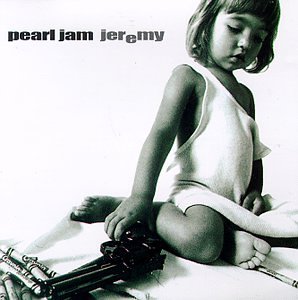
Understanding Pearl Jam's "Jeremy": Beyond the Search for "Jeremy Jacobs Net Worth"
When the name "Jeremy" echoes in popular culture, many minds immediately turn to Pearl Jam's haunting 1991 anthem. While some search engines might lead you to inquiries about "jeremy jacobs net worth" or similar financial profiles, it's vital to clarify that the profound and unsettling narrative captured in Pearl Jam's seminal track is *not* about a prominent businessman. Instead, the song "Jeremy" plunges into a far more tragic and human story: the real-life ordeal of a young boy driven to the edge by neglect, bullying, and profound isolation. This article will unpack the raw emotion, poignant lyrics, and enduring societal relevance of Pearl Jam's "Jeremy," a song that continues to resonate as a powerful commentary on the silent struggles faced by countless youth.
The Unsettling Genesis: The True Story Behind the Lyrics
Pearl Jam's "Jeremy" is not merely a fictional tale; it's a direct response to a heartbreaking news story. The lyrics, penned by frontman Eddie Vedder, were inspired by a newspaper article detailing the public suicide of Jeremy Wade Delle, a 15-year-old who took his own life in front of his classmates at Richardson High School in Texas in 1991. This real-life tragedy provided the stark, emotional foundation for a song packed with anger, pain, and urgent questions about systemic failures – from parental neglect to school bullying and the broader societal indifference that can push a vulnerable individual past their breaking point.
Vedder's genius lies in his ability to transform a cold news report into a searing, empathetic, and accusatory piece of art. The song doesn't just narrate Jeremy's final act; it attempts to delve into the psychological landscape that led him there, giving voice to the voiceless and challenging listeners to confront uncomfortable truths. For a deeper analysis of the lyrical intricacies and Vedder's powerful message, see
Jeremy Explained: Bullying, Neglect, and Vedder's Powerful Message.
Deconstructing the Lyrics: A Glimpse into Jeremy's World
The power of "Jeremy" lies in its lyrical imagery, which paints a vivid, albeit disturbing, picture of a mind grappling with its demons. Each verse contributes to a narrative arc of mounting despair, imagined escape, and a desperate, violent cry for attention.
Imagined Power and Unnatural Peace
The song opens with an almost deceptive calm, "
At home, drawing pictures of mountain tops / With him on top, lemon yellow sun, arms raised in a V / And the dead lay in pools of maroon below him." These lines describe Jeremy's internal world – a fantasy realm where he is powerful, victorious, and at peace. The "lemon yellow sun" initially sounds cheerful, yet it soon gives way to a chilling image of violence, hinting at a deep-seated anger and a desire for revenge born from relentless suffering. This fantasy serves as a stark contrast to his bleak reality, a common coping mechanism for those who feel powerless.
A Home Devoid of Warmth
Jeremy's home life is portrayed as emotionally barren: "
Clearly I remember, picking on the boy / The shadow box, the empty room / A candle lit and then blown out / No one now, nothing to fear." And later, "
Daddy didn't give attention, oh, to the fact that mommy didn't care." These lines reveal a profound sense of neglect. His father is oblivious or chooses to ignore the visible signs of distress, while his mother is emotionally distant, if not outright cold. This lack of parental presence and emotional support creates a vacuum, leaving Jeremy isolated and vulnerable, forcing him to construct his own distorted reality. The sarcastic title "King Jeremy the wicked" suggests he created his own kingdom to feel in control, since no one in his actual life offered him love or power.
The Silent Speak Out
The chillingly simple yet profound line, "
Jeremy spoke in class today," repeats throughout the song. This isn't about verbal communication; it's a euphemism for his final, desperate act. It underscores the tragic irony that Jeremy, likely ignored and invisible for so long, finally made an indelible mark – but only through violence. The repetition emphasizes the shock and the lasting impact of his actions. It's a testament to the idea that silence can be deafening, but its breaking can be catastrophic.
Echoes of Bullying and Sudden Rage
The song then shifts to the perspective of those who witnessed his struggles and the bullies who tormented him: "
Clearly I remember, picking on the boy / It was a joke, it was a joke / The quiet kid, so sure, no one saw." This highlights the common dismissive attitude towards bullying, often rationalized as "just a joke." However, the song exposes the devastating consequences. Jeremy, pushed to his limit, snaps: "
He took a road, a ride, an open track / The lion, the lamb, the silent attack." The lion metaphor portrays him as someone pushed too far, finally lashing out with primal force after prolonged suppression. The "punch" that follows, both physical and emotional, is a reaction to the shock of his act, making others finally see the pain they had inflicted or ignored.
The Indelible Mark of Trauma
The lyrics further delve into the psychological scars: "
What do you want from me? / Something that Mommy wouldn't wear / An unwanted burden." This suggests a deep sense of shame and rejection, as if Jeremy himself felt like an unwanted entity. The image of the "blackboard" and the desire to "erase the memory" speaks to the lasting trauma not only for Jeremy but for everyone involved. The song concludes with a sense of the damage being irreversible, leaving a permanent stain that no one can truly wipe clean. To explore the raw emotion and themes of anger and pain within the lyrics, check out
Behind the Anger: A Deep Dive into Pearl Jam's Jeremy Lyrics.
Beyond the Classroom: Broader Societal Reflections
"Jeremy" transcends the specific incident of Jeremy Wade Delle to become an enduring critique of broader societal failings. It serves as a stark reminder of the critical importance of mental health awareness, empathy, and active intervention in the lives of struggling youth.
Recognizing the Warning Signs
The song implores us to look beyond the surface. Jeremy was "the quiet kid," a common characteristic of individuals experiencing profound internal turmoil. Practical tips for parents, educators, and peers include:
- Active Listening: Pay attention not just to what kids say, but how they say it, and what they *don't* say.
- Observing Behavioral Changes: Sudden withdrawal, significant drops in academic performance, changes in sleep or eating patterns, or expressions of hopelessness can be red flags.
- Fostering Open Communication: Create an environment where children feel safe discussing their fears, struggles, and experiences with bullying or neglect without judgment.
- Teaching Empathy: Educate children and teenagers about the impact of their words and actions on others, emphasizing kindness and inclusion.
The Role of Community and Support Systems
"Jeremy" highlights the collective responsibility we share. A strong support system – be it family, school, or community programs – is crucial for providing a safety net. Schools must implement robust anti-bullying policies and ensure accessible mental health resources. Parents need to be emotionally present and attuned to their children's needs. Friends can be powerful allies, offering support and encouraging peers to seek help.
Conclusion
Pearl Jam's "Jeremy" remains a powerful, gut-wrenching masterpiece that forces us to confront uncomfortable truths about neglect, bullying, and mental health. While the initial search for "jeremy jacobs net worth" might lead some to this article, it's the priceless, tragic story of Jeremy Wade Delle, immortalized in this song, that offers invaluable lessons. It's a poignant reminder that while money and success often define public figures, the real wealth of humanity lies in our capacity for empathy, understanding, and our collective effort to ensure no child feels so isolated that their only "voice" is a scream of despair. The song is a timeless call to action, urging us to listen more closely, act more compassionately, and foster a world where every "Jeremy" feels seen, valued, and safe.