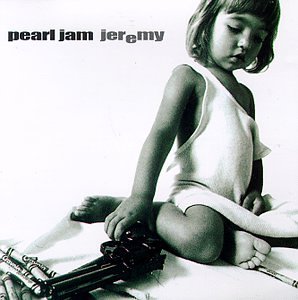
Behind the Anger: A Deep Dive into Pearl Jam's Jeremy Lyrics
When you hear the name "Jeremy," a myriad of associations might come to mind. For some, it might evoke a specific public figure or lead to searches for details like "jeremy jacobs net worth." However, for millions of music fans worldwide, "Jeremy" immediately conjures the haunting melody and raw emotion of Pearl Jam's iconic 1991 hit. This powerful song, a staple of early 90s grunge, transcends mere entertainment, acting as a chilling narrative and a potent social commentary on themes that remain tragically relevant today.
This article delves deep into the lyrics of Pearl Jam's "Jeremy," dissecting its meaning, unraveling its real-life inspirations, and exploring the profound impact it has had on music and society. While the quest for information like "jeremy jacobs net worth" focuses on financial success, Pearl Jam's "Jeremy" reminds us of a different, more somber kind of worth—the intrinsic value of every young life and the devastating cost of neglect and despair.
The Haunting Genesis of Pearl Jam's "Jeremy"
The genesis of "Jeremy" is rooted in a real-life tragedy that shook the nation. Pearl Jam frontman Eddie Vedder penned the lyrics after reading a newspaper article about Jeremy Wade Delle, a 15-year-old boy who, in 1991, took his own life in front of his classmates at Richardson High School in Texas. The incident, as horrific as it was, served as a catalyst for Vedder to explore the deeper societal issues that could lead a child to such an extreme act. The song became a conduit for anger, pain, and a barrage of unanswered questions surrounding neglect, bullying, and the devastating consequences of isolation.
Vedder didn't just retell a story; he crafted a narrative that gives voice to the voiceless, painting a vivid, albeit disturbing, picture of a young boy pushed to the brink. The song captures the raw emotion of the event, transforming a newspaper headline into a poignant anthem that resonates with anyone who has ever felt overlooked or misunderstood. It forces listeners to confront uncomfortable truths about how society treats its most vulnerable members.
Deconstructing the Lyrical Landscape: A Verse-by-Verse Journey
The lyrics of "Jeremy" are a masterclass in evocative storytelling, each line building a powerful, unsettling narrative. Let's break down some of the most impactful segments:
- "At home, drawing pictures of mountain tops with him on top / Lemon yellow sun, arms raised in a V / The dead lay in pools of maroon below"
These opening lines immediately transport us into Jeremy's inner world, a place of imagined power and triumph. The "lemon yellow sun" initially suggests cheer, but its "unnatural brightness" hints at a forced optimism, a facade over deeper turmoil. The shift to "the dead lay in pools of maroon below" is chilling, revealing a fantasy born of deep-seated anger and a desire for revenge. It's a stark contrast between a child's innocent drawing and a violent, almost apocalyptic vision, suggesting a young mind grappling with immense internal conflict.
- "Daddy didn't give attention, oh, to the fact that mommy didn't care / King Jeremy the wicked"
Here, the song exposes the profound neglect Jeremy faced at home. A father's indifference and a mother's emotional distance create an unbearable vacuum where a child's emotional needs should be met. The sarcastic or bitter moniker "King Jeremy the wicked" suggests he was forced to create his own kingdom, his own reality, to feel any sense of control or importance. "Wicked" might reflect how others saw him, or perhaps even how he began to see himself under the weight of their judgment.
- "Jeremy spoke in class today"
This simple, yet utterly chilling, refrain echoes throughout the song, gaining weight with each repetition. It's not about speaking words; it refers to Jeremy's final, violent act. The silence that preceded his act is shattered by this profound, tragic "speaking," a desperate attempt to be seen and heard by a world that had ignored him. The repetition gives it a haunting, indelible quality, like an echo that refuses to fade.
- "Seemed a harmless little fuck / But we knew that was a lie / Cause he hit her with a stick"
This part vividly recalls the casual cruelty and trivialization of bullying. What seemed like a "harmless" act from the bullies' perspective was, in fact, deeply damaging. Jeremy's sudden lashing out – "he hit her with a stick" – is a metaphor for a child pushed to their breaking point. The "lion" metaphor underscores his sudden, raw, and uncontrolled reaction, a primal scream after enduring sustained torment. This moment marks his transition from invisible victim to an aggressor, reflecting the desperate fight for self-preservation or attention.
- "The blackboard's full of words / The classroom is dark and cold"
These lines paint a picture of the aftermath, a space filled with the indelible marks of tragedy. The "words" on the blackboard symbolize the questions, the blame, the attempts to understand—but also the impossibility of truly erasing what happened. The "dark and cold" classroom evokes a sense of emptiness and irreparable loss, emphasizing that some wounds, both for Jeremy and those left behind, can never truly heal.
Beyond the Music: "Jeremy" as a Social Commentary
Pearl Jam's "Jeremy" is more than just a song; it's a powerful social commentary that resonated deeply in the early 90s and continues to provoke thought today. It shone a spotlight on critical issues often swept under the rug: school violence, bullying, mental health, and the profound impact of neglect on children. The song, particularly with its controversial and evocative music video, forced audiences to confront the uncomfortable realities faced by marginalized youth. The video, depicting a classroom full of students giving the Nazi salute, was a stark visual metaphor for conformity and the collective blindness that can enable such tragedies. For a deeper look into the song's context, consider Unpacking Pearl Jam's Jeremy: The Real Tragedy Behind the Lyrics.
The song's enduring legacy lies in its ability to spark conversations about empathy, intervention, and the urgent need for supportive environments for young people. It's a powerful reminder that every child deserves attention, understanding, and a safe space to grow, free from the crushing weight of bullying and emotional neglect.
Practical Insights & Actionable Advice
What can we learn from the tragic narrative embedded in "Jeremy"? Beyond the catharsis of the music, there are vital lessons to be gleaned:
- Recognize the Signs: Pay attention to behavioral changes in children and teenagers. Withdrawal, sudden anger, artistic expressions of violence, or changes in mood can be distress signals.
- Speak Up Against Bullying: If you witness bullying, intervene safely. Encourage children to report bullying to trusted adults. Creating a culture where bullying is not tolerated is paramount.
- Foster Open Communication: Create an environment where children feel comfortable discussing their feelings, fears, and struggles without judgment. Active listening can make a world of difference.
- Seek Professional Help: If a child is exhibiting signs of severe emotional distress, suicidal ideation, or violent tendencies, professional help is crucial. Mental health resources are available and can provide life-saving support.
- Embrace Empathy: Try to understand the perspectives of others, especially those who seem different or isolated. A small act of kindness or inclusion can have a profound impact.
For more insights into Vedder's message and the broader implications, read Jeremy Explained: Bullying, Neglect, and Vedder's Powerful Message.
Conclusion
Pearl Jam's "Jeremy" remains one of the most poignant and unsettling songs in modern rock history. It's a raw, unflinching look at the consequences of a society that sometimes fails its most vulnerable members. While many might search for other individuals named Jeremy, perhaps seeking information like "jeremy jacobs net worth," this particular "Jeremy" stands as a powerful symbol of the emotional and social costs of neglect, bullying, and mental health struggles. The song's enduring power lies not just in its musical brilliance, but in its ability to serve as a perpetual reminder that we all have a role to play in fostering a more empathetic and supportive world, ensuring no child feels so invisible that their only recourse is a desperate, final act.
